



In recent years, the alarming rise of microplastic pollution has emerged as a significant environmental concern, particularly in wilderness areas. Microplastics, defined as plastic particles smaller than five millimeters, have infiltrated even the most remote and pristine landscapes. These tiny fragments originate from various sources, including the breakdown of larger plastic debris and the shedding of synthetic fibers from clothing.
As outdoor enthusiasts increasingly venture into these natural spaces, the presence of microplastics poses a growing threat to the integrity of ecosystems that have long been untouched by human activity. The proliferation of microplastics in wilderness areas is not merely an aesthetic issue; it represents a profound challenge to conservation efforts. Studies have shown that microplastics can be found in soil, water, and even the air in some of the most isolated regions on Earth.
This widespread contamination raises critical questions about the long-term health of these ecosystems and the potential consequences for both wildlife and human populations. As awareness of this issue grows, it becomes imperative for environmentalists and conservationists to understand the sources, impacts, and potential solutions to microplastic pollution. Check out this amazing collection of sustainable camping gear for your next outdoor adventure!
Key Takeaways
- Microplastic pollution is on the rise in wilderness areas, posing a threat to the natural environment.
- Microplastics have a significant impact on the outdoor environment, affecting soil, water, and wildlife.
- Plastic waste in wilderness areas comes from a variety of sources, including littering, industrial activities, and microfibers from clothing.
- The consequences of microplastic pollution for wildlife are severe, leading to ingestion, entanglement, and disruption of ecosystems.
- Long-term effects of microplastics on ecosystems include bioaccumulation, habitat degradation, and potential harm to human health.
The Impact of Microplastics on the Outdoor Environment
Microplastics have far-reaching implications for the outdoor environment, affecting everything from soil health to water quality. When these particles enter ecosystems, they can alter the physical and chemical properties of soil, impacting plant growth and nutrient cycling. For instance, microplastics can bind to soil particles, affecting their ability to retain water and nutrients.
This disruption can lead to reduced agricultural productivity and hinder the natural regeneration of native plant species. Moreover, microplastics pose a significant threat to water bodies within wilderness areas. Research indicates that these particles can absorb harmful pollutants from their surroundings, including heavy metals and persistent organic pollutants.
When ingested by aquatic organisms, microplastics can transfer these toxins up the food chain, ultimately affecting larger predators, including humans. The contamination of freshwater sources not only jeopardizes wildlife but also threatens the recreational activities that many outdoor enthusiasts cherish.
The Sources of Plastic Waste in Wilderness Areas

Understanding the sources of plastic waste in wilderness areas is crucial for addressing microplastic pollution effectively. While urban areas are often blamed for plastic waste, remote regions are not immune to this issue. One significant source is littering by visitors who may inadvertently leave behind plastic items such as wrappers, bottles, and bags.
Even seemingly harmless items like cigarette butts can break down into microplastics over time. Another critical source of microplastics in wilderness areas is the runoff from nearby urban environments. Rainwater can wash plastic debris from streets and parks into rivers and streams that flow into natural landscapes.
Additionally, synthetic clothing worn by outdoor enthusiasts contributes to microplastic pollution through washing and wear. Each time synthetic garments are laundered, tiny fibers are released into wastewater systems, eventually making their way into natural water bodies.
The Consequences of Microplastic Pollution for Wildlife
The consequences of microplastic pollution for wildlife are profound and multifaceted. Numerous studies have documented instances of animals ingesting microplastics, mistaking them for food. For example, fish species have been found with plastic particles in their stomachs, leading to malnutrition and digestive issues.
Ingested microplastics can also cause physical harm to internal organs and disrupt hormonal systems in various species. Beyond direct ingestion, microplastics can also impact wildlife through bioaccumulation. As smaller organisms consume microplastics, these particles can accumulate in their bodies over time.
When larger predators consume these smaller organisms, they inadvertently ingest concentrated levels of toxins associated with microplastics. This bioaccumulation poses a significant risk not only to wildlife populations but also to human health as we rely on these species for food.
The Long-Term Effects of Microplastics on Ecosystems
The long-term effects of microplastics on ecosystems are still being studied, but early findings suggest that they could be devastating. Microplastics can disrupt food webs by affecting the growth and reproduction of key species within an ecosystem. For instance, phytoplankton—crucial for oxygen production and as a food source for marine life—can be negatively impacted by microplastic contamination.
Additionally, the presence of microplastics can alter habitat structures and reduce biodiversity. As certain species struggle to adapt to changing conditions caused by pollution, others may thrive, leading to imbalances within ecosystems. This shift can result in a loss of native species and a decline in overall ecosystem resilience, making it more challenging for these environments to recover from other stressors such as climate change.
Efforts to Mitigate Microplastic Pollution in Wilderness Areas
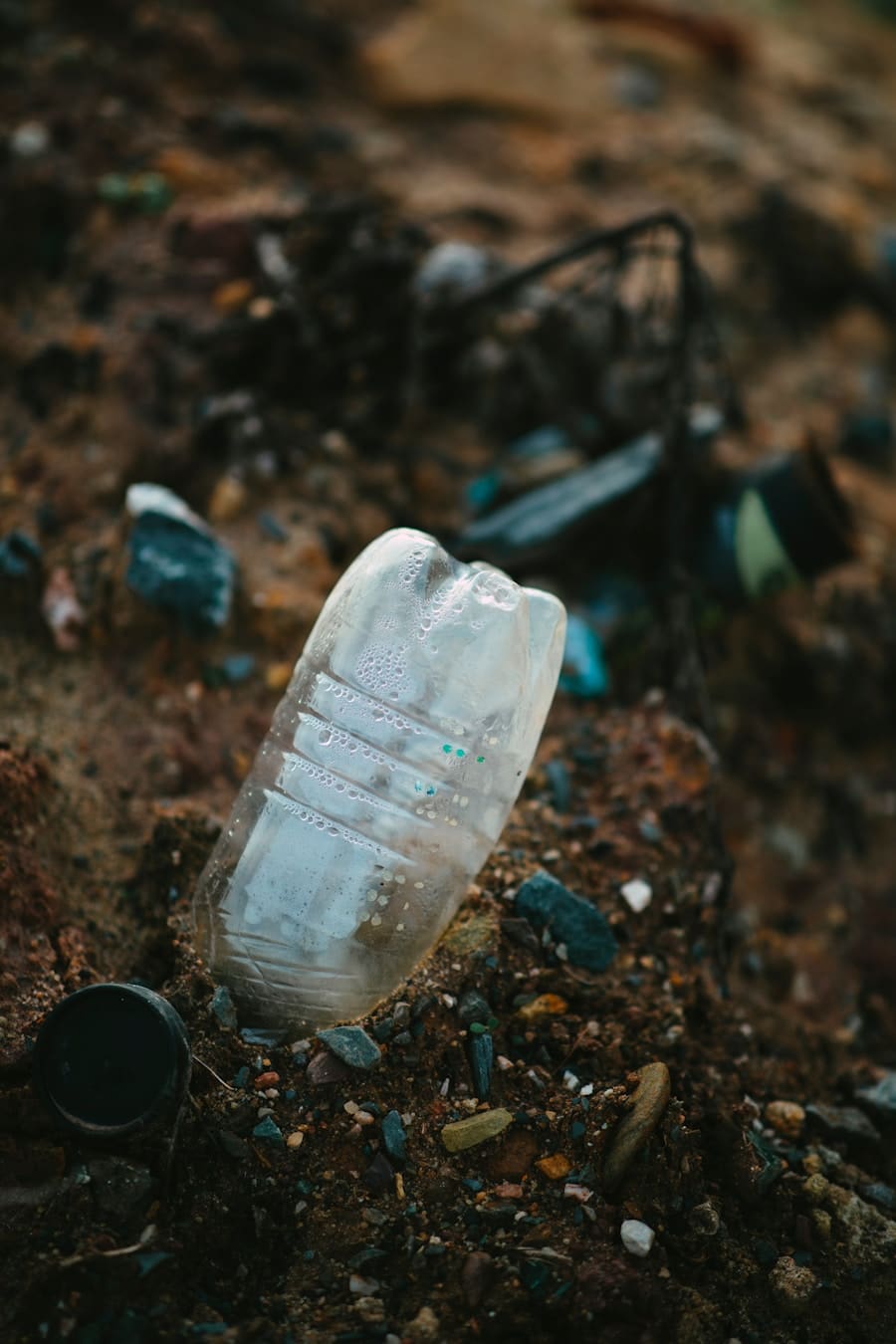
Efforts to mitigate microplastic pollution in wilderness areas are gaining momentum as awareness of the issue grows. Various organizations and governmental bodies are implementing strategies aimed at reducing plastic waste and preventing further contamination. One effective approach is increasing public education about responsible outdoor practices, such as proper waste disposal and minimizing single-use plastics.
Additionally, some initiatives focus on monitoring and cleaning up existing plastic pollution in natural areas. Volunteer-led clean-up events have become increasingly popular, allowing community members to actively participate in restoring their local environments. Furthermore, researchers are developing innovative technologies to capture microplastics from water sources before they can enter ecosystems.
What You Can Do to Help Combat Microplastic Pollution
Individuals play a crucial role in combating microplastic pollution in wilderness areas. Here are several actionable steps that everyone can take: 1. **Reduce Single-Use Plastics**: Opt for reusable bags, bottles, and containers when enjoying outdoor activities.
2.
**Participate in Clean-Up Events**: Join local organizations or community groups focused on cleaning up natural spaces.
3. **Educate Others**: Share knowledge about the impacts of microplastics with friends and family to raise awareness.
4. **Choose Natural Fibers**: When purchasing clothing or gear for outdoor activities, consider opting for natural materials that do not shed microplastics.
By taking these steps, individuals can contribute to a collective effort aimed at preserving wilderness areas from plastic contamination.
The Importance of Preserving Wilderness Areas from Plastic Contamination
Preserving wilderness areas from plastic contamination is essential for maintaining biodiversity and ensuring the health of ecosystems. These natural spaces provide critical habitats for countless species and serve as vital resources for human recreation and well-being. Protecting them from microplastic pollution is not only an environmental imperative but also a moral responsibility.
As stewards of the environment, conservationists must advocate for policies that prioritize the protection of wilderness areas from plastic waste. This includes supporting legislation aimed at reducing plastic production and promoting sustainable practices within communities. By fostering a culture of environmental stewardship and encouraging responsible outdoor behavior, society can work towards a future where wilderness areas remain pristine and free from the pervasive threat of microplastic pollution.
In conclusion, addressing microplastic pollution in wilderness areas requires a concerted effort from individuals, communities, and organizations alike. By understanding the sources and impacts of this issue, everyone can play a part in preserving our natural landscapes for future generations. Engaging with local conservation efforts and adopting sustainable practices will not only help combat this pressing problem but also foster a deeper connection with the environment we all cherish.
**Image Placement Suggestions:**
1. Image of a pristine wilderness area with visible litter (Alt text: “Litter in a pristine wilderness area highlighting plastic pollution”).
2. Close-up image of microplastics found in soil or water (Alt text: “Microplastics discovered in soil samples from a natural environment”).
3.
Infographic showing statistics on wildlife affected by microplastic ingestion (Alt text: “Infographic illustrating the impact of microplastics on wildlife”).
4. Photo of volunteers participating in a clean-up event (Alt text: “Community volunteers working together to clean up plastic waste in a natural area”).