

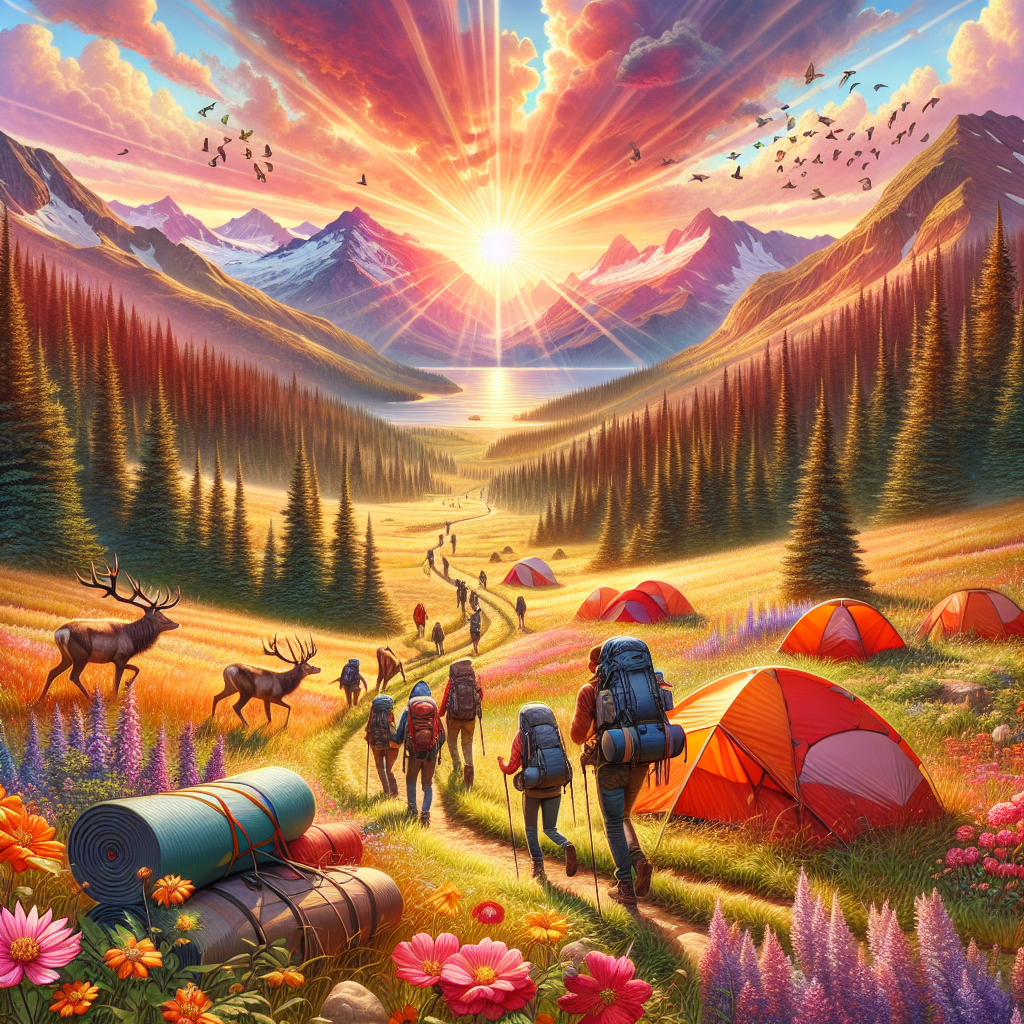

Imagine waking up to a dawn chorus of birds high in the mountains, the air crisp and invigorating as you step out of your tent onto a trail that whispers adventure. Summer is upon us, beckoning with promise—inviting every outdoor enthusiast to grab their backpacks and hit the trails. If you’re itching to swap city noise for the rustling symphony of nature, look no further. Our list of the top 10 stunning backpacking trails is not only exhilarating but offers lessons of resilience, connection, and embrace of the wild.
Why dive into the world of backpacking? Beyond the thrill of exploration, backpacking is a call to learn what nature has to teach us. Every trail holds stories waiting to be uncovered, each mile a testament to the beauty and adversity of the great outdoors. So, lace up your hiking boots, pack your gear, and let’s uncover those hidden gems together.
Embrace Nature: The Allure of Backpacking Trails
Backpacking trails are gateways to experiencing nature in its rawest form. The sense of freedom and solitude can’t be matched, as the trails often lead to breathtaking vistas, remote campsites, and tranquil quietude that revitalizes the spirit.
Take, for instance, my first solo backpacking adventure along the Appalachian Trail. I was struck by how a simple task—putting one foot in front of the other—was both meditative and transformative. As I navigated the winding paths surrounded by towering trees, I realized it was not just the destination that mattered but the journey itself.
Trail Adventures Await: Our Top Picks
1. John Muir Trail, California
Stretching through the heart of the Sierra Nevada, the John Muir Trail is a 211-mile odyssey that connects Yosemite Valley, Sequoia National Park, and Kings Canyon. The iconic trail features rugged mountains, pristine lakes, and alpine meadows that make every step worthwhile.
Key Gear: Lightweight tent, durable hiking boots, a reliable water filter, and quality sleeping gear.
When I tackled the John Muir, a sudden thunderstorm turned an ordinary hiking day into an adventure. As rain poured down, I was reminded of the importance of having waterproof gear. It wasn’t just about braving the elements but learning to adapt and appreciate the beauty of unexpected weather.
2. Pacific Crest Trail, California to Washington
The Pacific Crest Trail (PCT) slices through California, Oregon, and Washington, covering over 2,650 miles. This trail is a hiker’s dream, showcasing everything from arid deserts to lush forests and towering mountains.
Planning Tip: Break your journey into sections and plan essential resupplies ahead of time.
During my time on the PCT, I met a fellow backpacker who described her experience of traversing a particularly gnarly stretch where she faced blisters and fatigue. Yet, it was here that she forged unbreakable friendships and learned the value of community in adventure.
3. Torres del Paine Circuit, Chile
For those who crave both challenge and stunning landscapes, the Torres del Paine Circuit delivers in spades. Located in Chilean Patagonia, this trail reveals aquamarine lakes, glaciers, and sharp granite peaks.
Best Practice: Always check the weather conditions and be prepared for rapid climate changes.
While on this circuit, a fellow hiker shared their experience of getting lost. Instead of panic, they simply chose to observe their surroundings and discovered a secluded view that wasn’t on any map. They learned that sometimes the best adventures are unplanned.
4. Appalachian Trail, Eastern U.S.
Stretching from Georgia to Maine, the Appalachian Trail (AT) is a network of winding paths offering diverse landscapes and a sense of camaraderie among hikers.
Essential Gear: Lightweight gear and a comprehensive map of the trail.
Reflecting on my month-long journey on the AT, I remember nights spent sharing stories around campfires with strangers who became friends. The trail is not just about the miles; it’s about the memories made along the way.
5. Zion National Park, Utah
Zion’s sprawling landscape features cliffs, canyons, and striking rock formations that provide a different kind of challenge.
Tip: Look into permits well in advance, as certain trails can fill quickly.
On a particularly long day hiking through the challenging terrain, I learned the significance of pacing myself. A young couple I met had attempted to rush but quickly realized that savoring the landscape brought far more joy than racing toward the finish. Their smiles were worth the extra effort.
6. Glacier National Park, Montana
Known for its stunning vistas and diverse wildlife, Glacier National Park offers an incredible backpacking experience. The 700 miles of hiking trails wind through mountains, valleys, and beautiful glacial lakes.
Planning Tip: Always familiarize yourself with bear safety protocols.
I vividly recall stumbling upon a family of mountain goats during one ascent. Their casual grazing was a reminder of the raw beauty of wildlife that can only be experienced on the trail. This “goat moment” inspired me to carry a camera to capture the wonder of nature.
7. Olympic National Park, Washington
With a variety of ecosystems, Olympic National Park features everything from lush rainforests to rugged coastlines.
Necessary Gear: Waterproof clothing and sturdy hiking poles.
On my journey through the verdant forests, I faced moments of uncertainty navigating the dense brush. Instead of feeling overwhelmed, I learned to embrace the challenges and take things one step at a time. It was a valuable lesson in resilience.
8. Mount Rainier Wonderland Trail, Washington
Encircling Mount Rainier, this 93-mile trail captures stunning alpine views, wildflower meadows, and historic forests.
Key Gear: A high-quality map and compass, even if you’re relying on modern navigation systems.
While hiking this trail, I encountered a fellow camper who had prepared a full gourmet meal while others made do with energy bars. It highlighted a valuable lesson in preparation—being adequately equipped can enhance your journey in unimaginable ways.
9. The Long Path, New York
Connecting the George Washington Bridge to the Adirondacks, the Long Path is a beautiful route perfect for those wanting a mix of scenic vistas and engaging history.
Planning Tip: Research local accommodations in advance if you plan on staying overnight.
Reflecting on this trail brought back memories of a particularly magical sunset that painted the hills in hues of orange and pink. Those moments remind us to pause and appreciate our surroundings during the long trek.
10. The Great Divide Trail, Canada
As one of Canada’s premier backpacking trails, the Great Divide Trail offers pristine wilderness and breathtaking mountain scenery.
Must-Haves: A sturdy backpack and navigation tools due to the challenging terrain.
During my time on the trail, I learned to embrace solitude. Hikes where I ventured alone led me to beautiful vistas offering calm and clarity, the kind found only in nature. Those moments of solitude taught me the value of introspection amidst the wild chaos.
Wrap-Up & Key Takeaways
This summer, embark on a backpacking adventure along one of these breathtaking trails. Each trail offers unique landscapes and challenges that shape the outdoor experience. As you prepare, remember the importance of planning, respect for nature, and keeping an open heart for the adventures that await.
Whether it’s the unknowable beauty of the mountains, the thrill of conquering a summit, or the friendships forged around the campfire, backpacking creates unforgettable stories embedded in the fabric of nature. So, grab your gear and start packing—an incredible journey awaits!
Reader Questions Answered
Q: What are the best trails for beginners?
A: Trails like the Appalachian Trail or parts of the Zion National Park are great for beginners as they offer well-marked paths and plenty of resources for support.
Q: What gear do I need for a summer backpacking trip?
A: Essential gear includes a lightweight tent, durable shoes, a backpack, hydration system, and weather-appropriate clothing.
Q: How do I stay safe while backpacking?
A: Awareness of your surroundings, following trail guidelines, and appropriately prepping for wildlife encounters are key to staying safe outdoors.
FAQs
Q: Can I backpack alone?
A: Yes! Solo backpacking can be rewarding and empowering, but ensure you inform someone of your plans and choose well-trafficked trails.
Q: What is the best time to embark on a backpacking journey?
A: Summer is ideal for most places, offering good weather conditions, though some regions may be more crowded.
Q: How can I minimize my environmental impact while backpacking?
A: Practice Leave No Trace principles, including packing out all waste, staying on trails, and respecting wildlife and fellow hikers.
Are you ready to explore the stunning backpacking trails this summer? The wild is calling, and opportunities for unforgettable adventures await!