

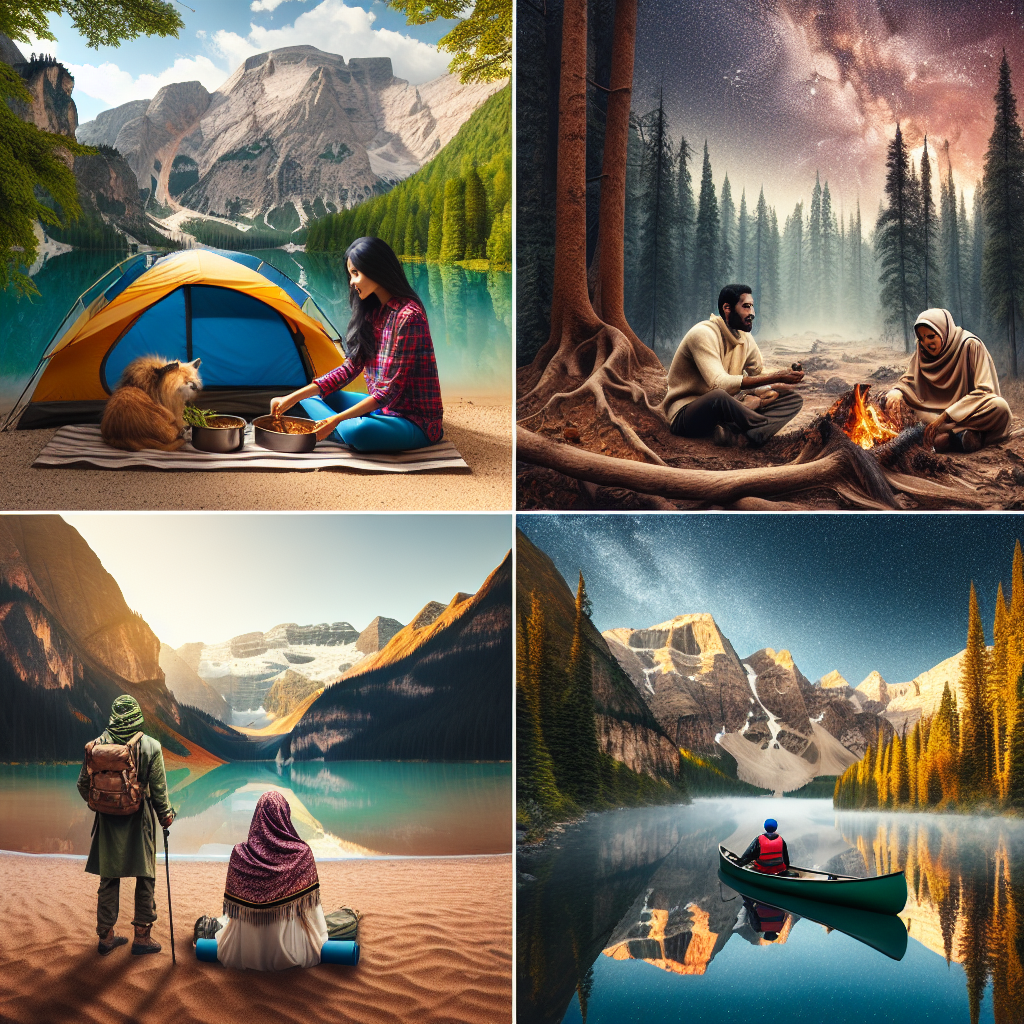

Imagine waking up to the sound of rustling leaves, the aroma of pine trees wafting through your tent, and a breathtaking view of the sunrise over a sprawling landscape. Wilderness camping is not just an escape; it’s an adventure that rejuvenates the soul and connects us to the beauty of nature. If you’re an outdoor enthusiast, the thought of exploring some of the most stunning wilderness camping destinations must thrill you. But where should you go? Let’s dive into the top five wilderness camping spots that promise unforgettable experiences, rich landscapes, and incredible stories.
Envision yourself trekking through rugged terrains, setting up camp beneath a sky full of stars, and sharing tales around a crackling campfire. Each of these destinations not only offers awe-inspiring beauty but also the chance to learn vital outdoor skills and discover more about yourself. Grab your gear, as we embark on this journey through lush forests, magnificent mountains, and serene lakes.
1. Banff National Park, Canada
Nestled in the heart of the Canadian Rockies, Banff National Park is a paradise for wilderness camping lovers. With its turquoise lakes, towering peaks, and vibrant wildlife, you’ll feel as though you’ve stepped into a postcard.
Planning Your Adventure
Before you head out, understanding the best seasons for camping is pivotal. Summer offers warmer weather and more accessible trails, while early fall presents breathtaking fall foliage. Ensure you secure a backcountry permit if you plan to camp outside designated campgrounds.
Essentials to Pack
- Tent: Lightweight and weather-resistant, ideal for mountain climates.
- Cooking Gear: A portable stove and quality cookware are crucial for meal preparation.
- Hiking Boots: Sturdy, waterproof boots will keep your feet comfortable and dry on rugged trails.
During my first trek through Banff, I remember a moment of serendipity while hiking along Lake Louise. As I reached a vista overlooking the lake, I had an overwhelming urge to reflect on my choice to explore this remote area. The beauty of the glacial waters and the surrounding mountains inspired me to capture the moment with my camera—but even more so, it reminded me of the importance of disconnecting from daily life.
2. Yosemite National Park, California
Yosemite is another gem that proudly showcases nature’s grandeur. Known for its towering granite cliffs, cascading waterfalls, and lush meadows, this national park offers miles of trails and various camping experiences.
How to Camp in Yosemite
- Choose Your Location: Opt for sites like North Pines in Yosemite Valley or the more remote Tuolumne Meadows.
- Safety First: Familiarize yourself with bear safety techniques, as this park is home to a substantial bear population. Never leave food exposed, use bear-proof containers, and hang your food out of sight.
During my stay, I took a scenic drive to Glacier Point right before sunset. The panoramic view of the valley below was remarkable. It was here I learned that the beauty of nature can foster community; I struck up a conversation with fellow campers who shared their own stories and hiking tips. I left Yosemite not only with riveting experiences but also with newfound friends and ideas for future adventures.
3. Acadia National Park, Maine
Acadia National Park is a hidden treasure along the coast of Maine. The blend of mountains and sea creates an unparalleled panorama that’s perfect for both hiking and camping.
Nature’s Playground Inspired by the Ocean
The park features unique wildlife and coastal scenery, perfect for exploring both on land and water. Planning a camping trip in Acadia could involve kayaking along the shoreline or cycling on the historic carriage roads.
Gear Essentials for Coastal Camping
- Multi-Use Water Shoes: Helpful for both hiking rocky coastlines and water activities.
- Windbreak Tent: Acadia can be windy, so consider a tent designed to withstand gusts.
On my last trip, I ventured out on a misty morning and hiked up Cadillac Mountain to catch the sunrise. The tranquility of the moment was unparalleled; it was reflected in the silence of the wilderness. As I absorbed the changing colors of the sky above the ocean, I realized the importance of patience in the outdoors. Every adventure presents moments of waiting and wonder.
4. Glacier National Park, Montana
Glacier National Park, with its vast wilderness and diverse ecosystems, stands as a testament to nature’s untouched beauty. Towering peaks, vibrant wildflowers, and glacial lakes make it a must-visit for wilderness camping enthusiasts.
Plan Your Exploration
Start with the Going-to-the-Sun Road, which offers breathtaking views and breathtaking hikes. Be sure to select campsites ahead of time, as they fill quickly, especially during the summer months.
Essentials for a Glacier Camping Trip
- Bear Spray: Vital for navigating bear country safely.
- Hydration System: The park’s trails can be long and challenging; staying hydrated is crucial.
While camping at Many Glacier, I encountered an unexpected summer storm. My initial panic turned into an opportunity for improvisation. In the midst of the downpour, I worked with fellow campers to build a makeshift shelter using tarps and branches. It sharpened my problem-solving skills and reinforced the importance of embracing uncertainties in the wilderness.
5. Zion National Park, Utah
Zion National Park boasts towering cliffs, narrow canyons, and stunning vistas, making it a playground for adventurers. Its relatively mild climate allows for year-round camping, making it an advantageous choice for wilderness exploration.
Key Considerations for Zion Camping
- Shuttle System: Take advantage of the park’s shuttle service during peak seasons to access trails easily.
- Canyon Safety: Familiarize yourself with flash flood risks, especially in slot canyons like The Narrows.
On a memorable trip to Zion, I decided to tackle the infamous Angel’s Landing trail. The challenge took me to dizzying heights, but it was the captivating view at the summit that made every step worthwhile. I discovered the importance of pushing boundaries and embracing challenges; even with fear of heights, the reward felt monumental.
Wrap-Up / Key Takeaways
Each of these stunning wilderness camping destinations offers unique landscapes, rich experiences, and invaluable lessons. From the rugged peaks of Banff to the coastal charm of Acadia, there’s a world of adventure waiting for you. Remember to take the right gear, plan your trips thoughtfully, and embrace the unexpected lessons along the way. So, pack your gear, gather your spirit of adventure, and hit the trails to create your own unforgettable stories in these astounding locations.
Reader Questions Answered
1. What is wilderness camping?
Wilderness camping refers to camping in remote, natural areas without amenities typically found in developed campgrounds. It allows campers to immerse themselves in nature while experiencing the solitude and beauty of the outdoors.
2. What gear is essential for wilderness camping?
Essential gear includes a reliable tent, a quality sleeping bag suited for the climate, cooking equipment, a first-aid kit, navigation tools, and appropriate clothing for changing weather conditions.
3. How do I stay safe while camping in bear country?
To stay safe in bear country, always store food in bear-proof containers, cook away from your campsite, and use bear spray when necessary. Familiarize yourself with bear behavior and safety tips before your trip.
FAQs
1. When is the best time for wilderness camping?
The best time typically depends on the region, but most campers prefer late spring to early fall to enjoy comfortable temperatures and accessible trails.
2. Do I need a permit to camp in national parks?
Many national parks require permits for backcountry camping. Check with the park’s regulations and secure permits ahead of time to avoid any last-minute issues.
3. What if I have no camping experience?
Start with car camping in developed campgrounds or join guided camping trips. As you gain confidence, gradually transition to more remote wilderness experiences.
Embarking on outdoor adventures enriches not just our connection to nature but also our understanding of ourselves. The wilderness awaits—let your adventure begin!