

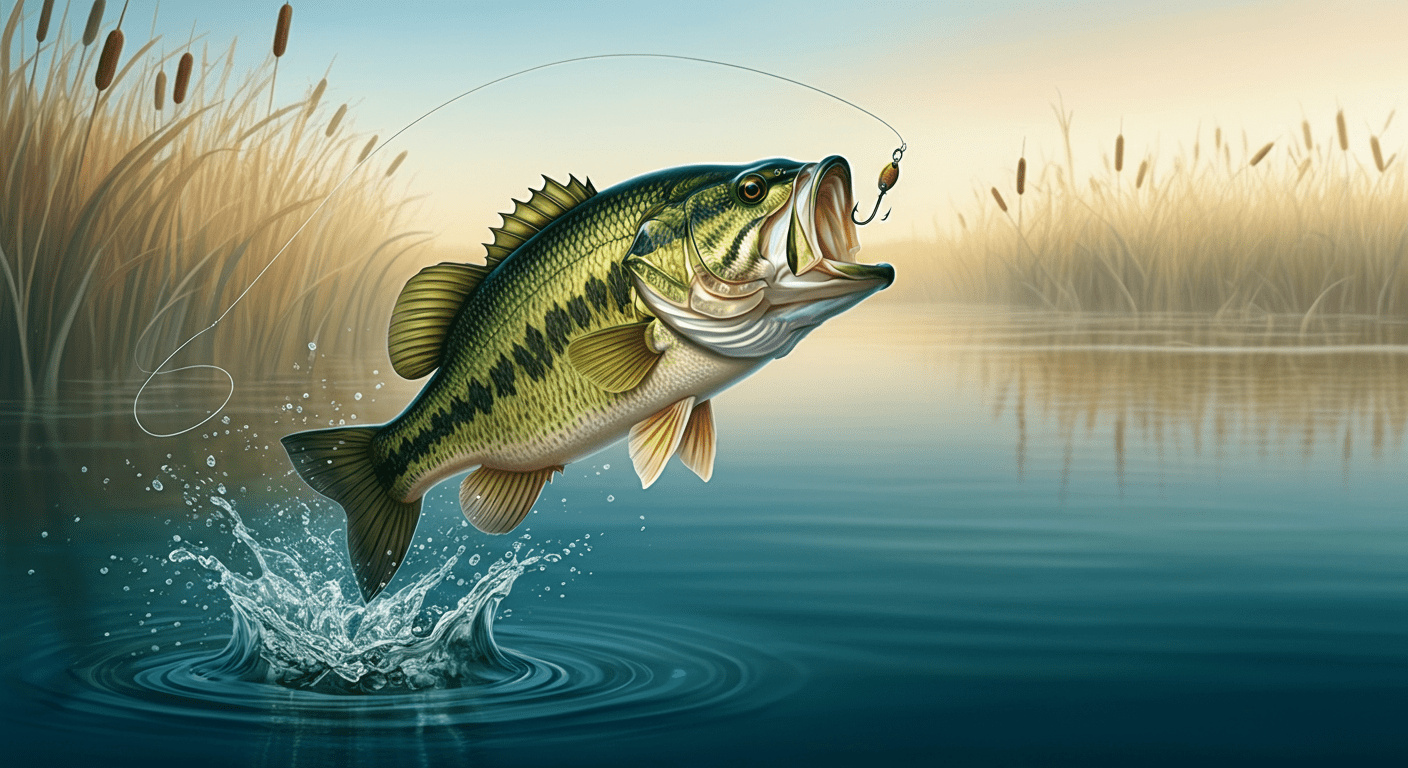

To become a successful bass angler, it is crucial to understand the behavior and preferences of bass.
These fish are known for their aggressive feeding habits, particularly during certain times of the day and year. Bass are opportunistic predators, meaning they will take advantage of whatever food source is available to them.
This can include smaller fish, insects, and even crustaceans. Understanding their feeding patterns can significantly enhance your chances of catching them. Bass are typically more active during warmer months, especially in the spring and summer when water temperatures rise.
They tend to seek out shallow waters during these seasons, particularly around structures like rocks, fallen trees, and vegetation. In contrast, during the colder months, bass often retreat to deeper waters where the temperature is more stable. Knowing these seasonal behaviors can help you choose the right bait and fishing techniques to match their preferences.
Key Takeaways
- Bass are more active during dawn and dusk, and prefer to stay in cover such as rocks, logs, and vegetation.
- Live bait options for bass fishing include worms, minnows, and crayfish, which can be used with a bobber or a Carolina rig.
- Artificial lures such as crankbaits, spinnerbaits, and topwater lures are effective for bass fishing, mimicking the movement of natural prey.
- Different seasons call for different bait choices, with jigs and plastic worms being popular in colder months, and topwater lures being effective in warmer months.
- Techniques for using top bait for bass fishing include casting near cover, using a slow retrieve, and varying the speed and depth of the bait to entice strikes.
Live Bait Options for Bass Fishing
Minnows: A Natural Prey
Minnows are one of the most popular choices for live bait. They mimic the natural prey of bass and can be incredibly effective when fished near structures or in shallow waters. You can use a simple hook-and-sinker rig to present the minnow naturally, allowing it to swim freely and attract the attention of nearby bass.
Worms: A Reliable Choice
Another effective live bait option is worms, particularly nightcrawlers or red wigglers. Bass are drawn to the scent and movement of worms, making them a reliable choice for anglers. You can fish worms on a Texas rig or a Carolina rig, allowing for versatile presentations that can adapt to various fishing conditions.
Crayfish: A Crustacean Delicacy
Additionally, using crayfish as live bait can also be highly effective, especially in areas where bass are known to feed on these crustaceans.
Artificial Lures for Bass Fishing
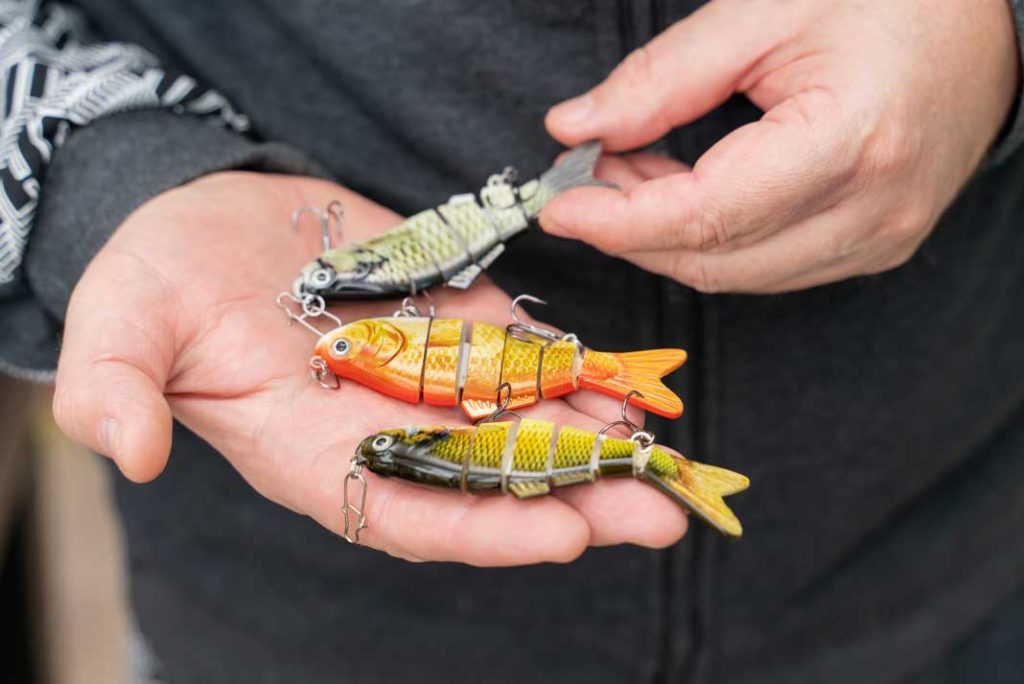
Artificial lures offer a wide range of options for bass fishing, each designed to mimic different types of prey. Crankbaits are one of the most popular types of artificial lures. They are designed to dive to specific depths and create a wobbling action that attracts bass.
When using crankbaits, it’s essential to match the color and size to the local forage. For instance, if the water is clear and there are shad present, a shad-colored crankbait may be your best bet. Spinners are another effective lure type that can entice bass with their flash and vibration.
These lures consist of a spinning blade that creates movement in the water, mimicking the action of fleeing prey. When using spinners, consider varying your retrieval speed to find what works best on a given day. Sometimes a slow retrieve can trigger strikes from lethargic bass, while other times a faster pace may be more effective.
Jigs are versatile lures that can be used in various conditions and presentations. They consist of a weighted head with a hook and often feature a soft plastic trailer that adds extra action. Jigs can be fished along the bottom or through vegetation, making them suitable for different environments.
When using jigs, try varying your retrieval speed and incorporating pauses to mimic the natural movement of prey. Soft plastics are another popular choice among bass anglers. These lures come in various shapes and sizes, including worms, lizards, and creature baits.
The flexibility of soft plastics allows for numerous rigging options, such as Texas rigs or drop shots. When fishing with soft plastics, consider matching the color to the local forage and experimenting with different retrieval techniques to find what triggers strikes. Topwater lures are particularly exciting for bass fishing as they create surface commotion that can provoke aggressive strikes.
These lures come in various forms, including poppers, frogs, and walking baits. When using topwater lures, timing is crucial; early mornings and late evenings are often the best times for topwater action. A slow retrieve with occasional pauses can create an enticing presentation that bass find hard to resist.
Best Bait for Different Bass Seasons
Understanding which bait works best during different seasons is essential for maximizing your success on the water. In spring, as water temperatures begin to rise, bass move into shallow waters to spawn. During this time, they are often aggressive and will readily strike at various baits.
Crankbaits and spinnerbaits can be particularly effective during this season as they mimic the movement of spawning prey. As summer approaches and temperatures rise further, bass may become more selective in their feeding habits. During this time, soft plastics and jigs can be highly effective as they allow for more precise presentations around cover where bass seek refuge from the heat.
Additionally, topwater lures can produce explosive strikes during early mornings or late evenings when bass are actively feeding near the surface. In fall, as water temperatures begin to cool again, bass will often feed aggressively in preparation for winter. This is an excellent time to use larger baits that mimic shad or other baitfish that are abundant during this season.
Crankbaits and swimbaits can be particularly effective as they allow you to cover more water while targeting active fish. During winter months, bass tend to retreat to deeper waters where they become less active due to colder temperatures. During this time, slow presentations with jigs or soft plastics can be effective in enticing bites from lethargic fish.
It’s essential to fish slowly and methodically during this season as bass may not chase after fast-moving baits.
Techniques for Using Top Bait for Bass Fishing
When it comes to using topwater lures effectively, there are several techniques you can employ to increase your chances of success. One popular method is the “walk-the-dog” technique used with walking baits. This involves imparting a side-to-side motion by twitching your rod tip while reeling in slowly.
This action mimics a wounded baitfish and can provoke aggressive strikes from lurking bass. Another effective technique is using poppers. With poppers, you want to create a rhythmic popping sound by pulling your rod tip up sharply and then reeling in slack line before repeating the motion.
This creates surface commotion that attracts attention from nearby bass. Experimenting with pauses between pops can also yield positive results as it allows fish time to react. Frog lures are another exciting option for topwater fishing, especially in areas with heavy vegetation or lily pads.
When using frogs, aim for pockets in the cover and retrieve them with a steady pull followed by occasional pauses. The key is to create an enticing presentation that mimics a frog escaping from danger. Regardless of the topwater technique you choose, always be prepared for explosive strikes!
Bass often hit topwater lures aggressively, so it’s essential to maintain focus and set the hook quickly when you feel a bite.
Tips for Choosing the Right Bait for Bass Fishing
Water Conditions and Color Selection
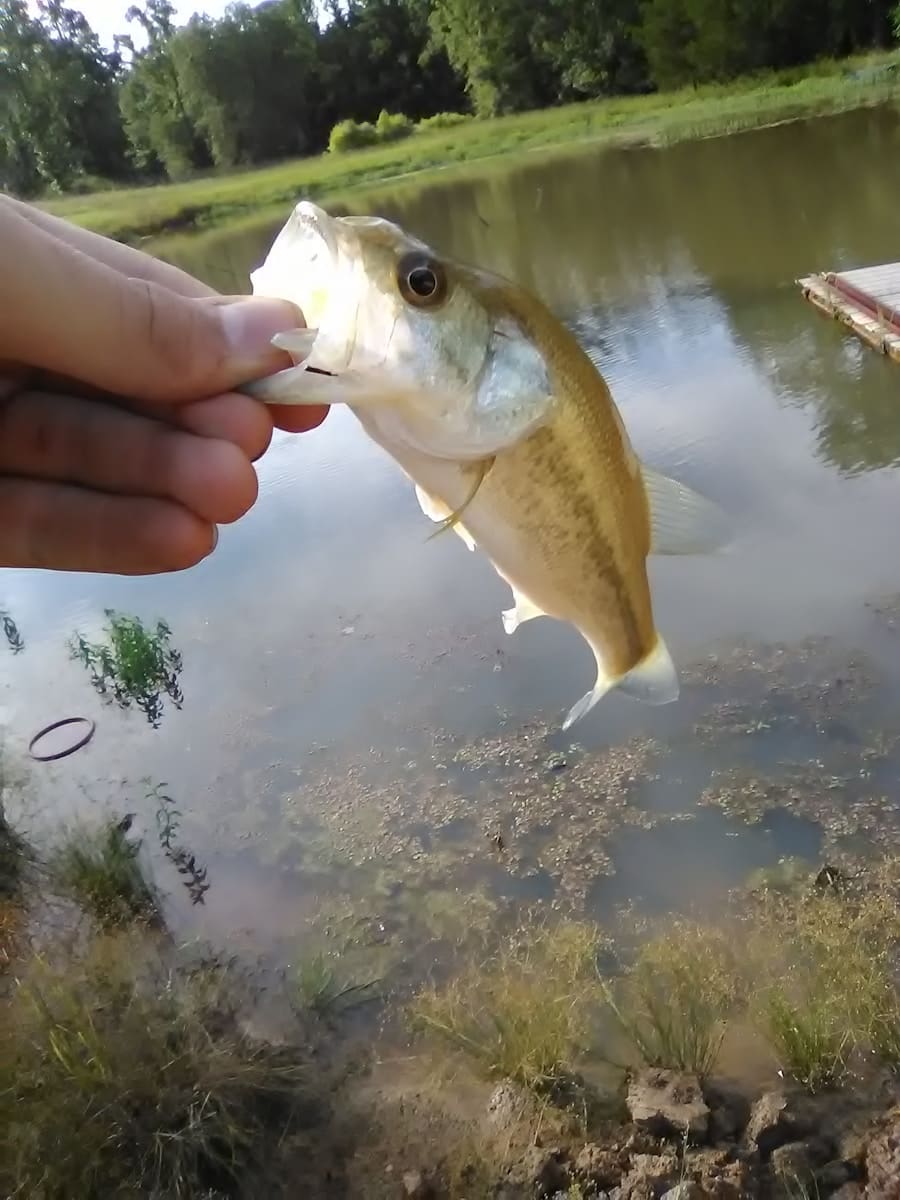
The first step is to observe the water clarity. Clear water may require more natural colors, while murky water might benefit from brighter or more vibrant hues that stand out.
Weather Conditions and Bait Selection
Pay attention to the weather conditions on the day you plan to fish. Overcast days often lead to increased activity among bass as they feel more secure in low-light conditions. This may be an excellent time to use topwater lures or spinnerbaits that create noise and movement. Additionally, match your bait size to the size of the forage present in the water body you’re fishing.
Experimentation and Adaptation
Lastly, don’t hesitate to experiment! Sometimes it takes trying out different baits or techniques before finding what works best on any given day. Keep an open mind and be willing to adapt your approach based on what you observe while fishing.
Conservation and Ethical Considerations in Bass Fishing
As anglers, it’s essential to practice responsible fishing techniques that prioritize conservation efforts and ethical considerations in bass fishing. One way to do this is by adhering to local regulations regarding size limits and bag limits for bass species in your area. These regulations are put in place to ensure sustainable populations of fish for future generations.
Additionally, practicing catch-and-release techniques can help maintain healthy fish populations while allowing anglers to enjoy their sport without depleting resources. When practicing catch-and-release, handle fish carefully by wetting your hands before touching them and minimizing their time out of water. It’s also important to respect natural habitats by avoiding littering or disturbing sensitive areas while fishing.
Always clean up after yourself and consider participating in local conservation efforts aimed at preserving aquatic ecosystems. By being mindful of our impact on the environment and practicing ethical fishing techniques, we can ensure that future generations will have the opportunity to enjoy bass fishing just as we do today.
Top Bait for Bass Fishing: A Summary and Conclusion
In conclusion, understanding bass behavior and preferences is key to selecting the best bait for successful fishing outings. Whether you choose live bait options like minnows or worms or opt for artificial lures such as crankbaits or soft plastics, knowing how to present these baits effectively will enhance your chances of landing more fish. Seasonal changes play a significant role in determining which baits will work best at any given time; adapting your approach based on these factors will lead to greater success on the water.
Additionally, employing various techniques when using topwater lures can create exciting opportunities for explosive strikes from hungry bass. Finally, always remember the importance of conservation practices in ensuring sustainable fishing experiences for years to come. By being responsible anglers who respect our environment while enjoying our passion for bass fishing, we contribute positively toward preserving this beloved sport for future generations.
So gear up with your favorite baits and techniques—it’s time to hit the water and experience all that bass fishing has to offer!
FAQs
What is the best bait for bass fishing?
The best bait for bass fishing can vary depending on the time of year, water conditions, and the behavior of the bass. However, some popular options include plastic worms, crankbaits, spinnerbaits, and jigs.
What are the different types of bait for bass fishing?
There are several types of bait commonly used for bass fishing, including soft plastic baits (such as worms and creature baits), hard baits (such as crankbaits and jerkbaits), spinnerbaits, jigs, and live bait (such as minnows and nightcrawlers).
How do I choose the best bait for bass fishing?
When choosing the best bait for bass fishing, consider factors such as the time of year, water temperature, water clarity, and the behavior of the bass. It can also be helpful to research local fishing reports and talk to experienced anglers for advice.
What colors are best for bass fishing bait?
The best colors for bass fishing bait can vary depending on the water conditions and the behavior of the bass. However, some popular colors for bass fishing bait include natural colors (such as green pumpkin and watermelon), as well as bright colors (such as chartreuse and white) for increased visibility in murky water.
What are some tips for using bait for bass fishing?
Some tips for using bait for bass fishing include varying your retrieval speed, experimenting with different bait sizes and colors, and paying attention to the behavior of the bass. It can also be helpful to fish near structure and cover, where bass are likely to be hiding.