

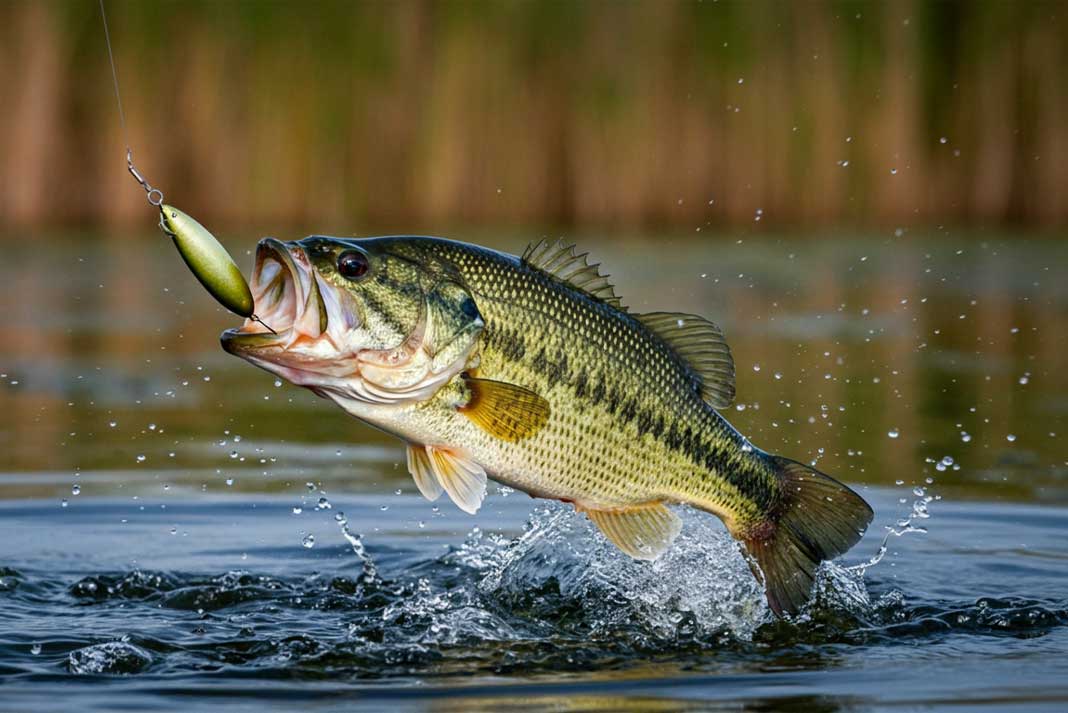

To become a successful bass angler, it is crucial to understand the behavior and feeding habits of bass.
These fish are opportunistic predators, meaning they will take advantage of whatever food source is readily available in their environment. Bass are known to feed on a variety of prey, including smaller fish, insects, and crustaceans.
Their feeding patterns can vary significantly based on the time of year, water temperature, and even the time of day. For instance, during the warmer months, bass tend to be more active and will often feed aggressively, especially during dawn and dusk when they are most likely to hunt. Understanding the seasonal changes in bass behavior can also enhance your fishing strategy.
In spring, as the water warms, bass move into shallower waters to spawn, making them more accessible to anglers. During this time, they are often found near cover such as rocks, vegetation, or submerged structures. In summer, bass may retreat to deeper waters during the heat of the day but can be found near the surface during cooler times.
In fall, as temperatures drop, bass will begin to feed heavily in preparation for winter, often schooling up and becoming more aggressive. By aligning your fishing techniques with these behavioral patterns, you can significantly increase your chances of success.
Key Takeaways
- Bass behavior and feeding habits are influenced by factors such as water temperature, time of day, and the presence of cover.
- Topwater baits like poppers, frogs, and buzzbaits are effective for targeting bass in shallow water and enticing explosive strikes.
- Soft plastic baits such as worms, creature baits, and swimbaits offer versatility and can be rigged in various ways to mimic natural prey.
- Spinnerbaits can be used to cover a lot of water and are effective for targeting bass in murky or stained water conditions.
- Crankbaits come in various shapes and sizes and can be used to imitate different types of forage, making them a versatile lure for bass fishing.
The Best Topwater Baits for Bass Fishing
Types of Topwater Baits
Some of the best topwater baits include poppers, buzzbaits, and walking baits. Poppers create a distinctive “pop” sound when retrieved, mimicking the sound of struggling prey. This can be particularly effective during early morning or late evening when bass are actively feeding near the surface. Buzzbaits, on the other hand, create a continuous surface disturbance that can attract bass from a distance.
Presentation is Key
When using topwater baits, presentation is crucial. A slow and steady retrieve often works best, allowing the bait to mimic the natural movement of prey. However, varying your retrieve speed can also yield results; sometimes a quick retrieve can trigger a reaction strike from an aggressive bass.
Considering the Environment
Additionally, consider the conditions: on cloudy days or during low light conditions, topwater baits can be incredibly effective as bass are more likely to venture into shallower waters. Conversely, on bright sunny days, you may want to focus on areas with shade or cover where bass might be hiding.
Choosing the Right Soft Plastic Baits for Bass
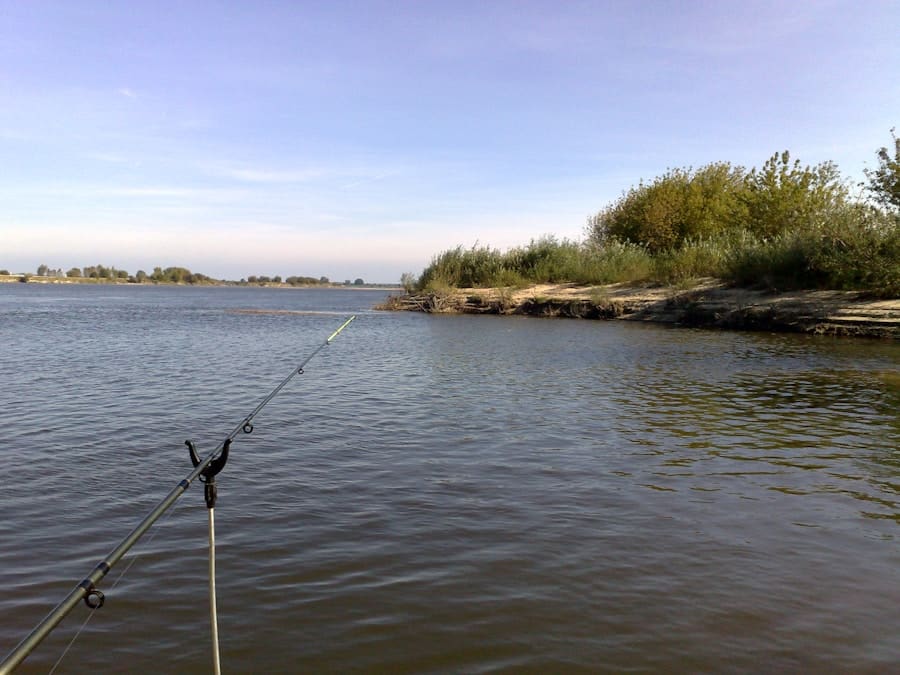
Soft plastic baits are incredibly versatile and come in a wide range of shapes and sizes, making them a staple in any bass angler’s tackle box. Some popular types include worms, creature baits, and stick baits. Worms are particularly effective when rigged Texas-style or wacky-style, allowing for a natural presentation that mimics live prey.
Creature baits are designed to resemble various aquatic creatures and can be fished effectively in heavy cover where bass often hide. When selecting soft plastics, consider the water clarity and color of the environment. In clear water, natural colors like green pumpkin or watermelon tend to work best, while in murky water, brighter colors such as chartreuse or bubblegum can help attract attention.
Additionally, pay attention to the size of the bait; larger baits can be effective for targeting bigger bass, while smaller baits may entice more bites from smaller fish. Experimenting with different colors and sizes can help you determine what works best in your specific fishing location.
Effective Techniques for Using Spinnerbaits
Spinnerbaits are another highly effective lure for bass fishing due to their unique design and versatility. These lures consist of a weighted head with one or more spinning blades that create vibration and flash in the water. This combination can attract bass from a distance and provoke strikes even in murky conditions.
When using spinnerbaits, it’s essential to vary your retrieval speed and depth to find what works best for the day. One effective technique is to cast your spinnerbait near cover such as submerged rocks or vegetation and retrieve it at a steady pace just above the bottom. This allows the lure to mimic a fleeing baitfish while also staying close to where bass are likely to be hiding.
Additionally, consider using a stop-and-go retrieve; pausing briefly during your retrieve can trigger reaction strikes from bass that may be following your lure but are hesitant to commit. Experimenting with different blade configurations—such as Colorado blades for more vibration or willow blades for flash—can also help you adapt to varying conditions.
Crankbaits: A Versatile Lure for Bass Fishing
Crankbaits are one of the most versatile lures available for bass fishing and come in various shapes, sizes, and diving depths. These lures are designed to mimic baitfish and can be fished at different depths depending on their design. Shallow-diving crankbaits are ideal for targeting bass in shallow waters or around cover, while deep-diving crankbaits can reach deeper structures where larger bass may be hiding.
When using crankbaits, it’s essential to pay attention to your retrieval speed and depth. A steady retrieve is often effective; however, incorporating pauses or twitches can make your presentation more enticing. Additionally, consider the time of year: during spring and fall when bass are more active near the surface, shallow-diving crankbaits can be particularly effective.
In contrast, during hot summer months when bass retreat to deeper waters, deep-diving crankbaits may yield better results.
Jigging for Bass: Tips and Tricks for Success

Understanding Jig Styles and Trailers
Jigging is a highly effective technique for targeting bass, especially in heavy cover or deep water where other lures may struggle to reach. Jigs come in various styles—such as flipping jigs or football jigs—and can be paired with soft plastic trailers to enhance their appeal.
Mastering the Retrieval Technique
When jigging for bass, it’s important to focus on your retrieval technique. A slow and steady lift-and-drop motion often works best; this mimics the movement of prey trying to escape while also allowing the jig to settle back down into cover where bass may be lurking. Additionally, pay attention to your surroundings; fishing near structures like rocks or fallen trees can increase your chances of encountering hungry bass.
Experimenting with Colors and Sizes
Experimenting with different colors and sizes of jigs can also help you find what works best in your specific fishing environment.
The Benefits of Using Swimbaits for Bass Fishing
Swimbaits have gained popularity among anglers due to their realistic appearance and ability to mimic injured baitfish effectively. These lures come in various sizes and styles—ranging from soft plastic swimbaits to hard-bodied versions—and can be fished at different depths depending on their design. The lifelike action of swimbaits makes them particularly effective for targeting larger bass that may be more selective about their prey.
When using swimbaits, consider your retrieval speed and depth carefully. A slow retrieve often works best; this allows the swimbait to glide through the water naturally while mimicking an injured fish. Additionally, varying your retrieve speed can help trigger strikes from aggressive bass that may be following your lure but are hesitant to commit.
Swimbaits can be particularly effective during the spring and fall when bass are actively feeding on baitfish; however, they can also yield results year-round when presented correctly.
Mastering the Art of Using Jerkbaits to Catch Bass
Jerkbaits are another highly effective lure for bass fishing that can produce impressive results when used correctly. These lures are designed to mimic injured baitfish through erratic movements that provoke predatory instincts in bass. Jerkbaits come in both floating and sinking varieties; floating jerkbaits are ideal for shallower waters while sinking versions can reach deeper depths.
To effectively use jerkbaits, focus on your retrieval technique by incorporating sharp jerks followed by pauses in between retrieves. This erratic action mimics an injured fish trying to escape and can trigger aggressive strikes from nearby bass. Additionally, consider varying your retrieve speed; sometimes a slow presentation works best while other times a faster retrieve may yield better results depending on the activity level of the fish.
In conclusion, mastering various types of lures and understanding their presentation techniques is essential for successful bass fishing. By familiarizing yourself with topwater baits, soft plastics, spinnerbaits, crankbaits, jigs, swimbaits, and jerkbaits—and adapting your approach based on seasonal changes—you’ll be well-equipped to catch more bass on your next fishing adventure!
FAQs
What is the best bait for bass fishing?
The best bait for bass fishing can vary depending on the time of year, water conditions, and the behavior of the bass. However, some popular options include plastic worms, crankbaits, spinnerbaits, and jigs.
What color bait is best for bass?
The best color bait for bass can depend on the water clarity and the weather conditions. In general, natural colors like green pumpkin, watermelon, and black/blue tend to work well in most situations.
What size bait is best for bass?
The size of the bait for bass fishing can depend on the size of the bass in the area you are fishing. In general, using a bait that matches the size of the natural prey in the area can be effective.
What is the best bait for bass in the summer?
In the summer, bass tend to be more active and may be found in deeper water. Using topwater lures, crankbaits, and swimbaits can be effective during this time.
What is the best bait for bass in the winter?
In the winter, bass tend to be less active and may be found in deeper, slower-moving water. Using slow-moving baits like jigs, drop shot rigs, and finesse worms can be effective during this time.