

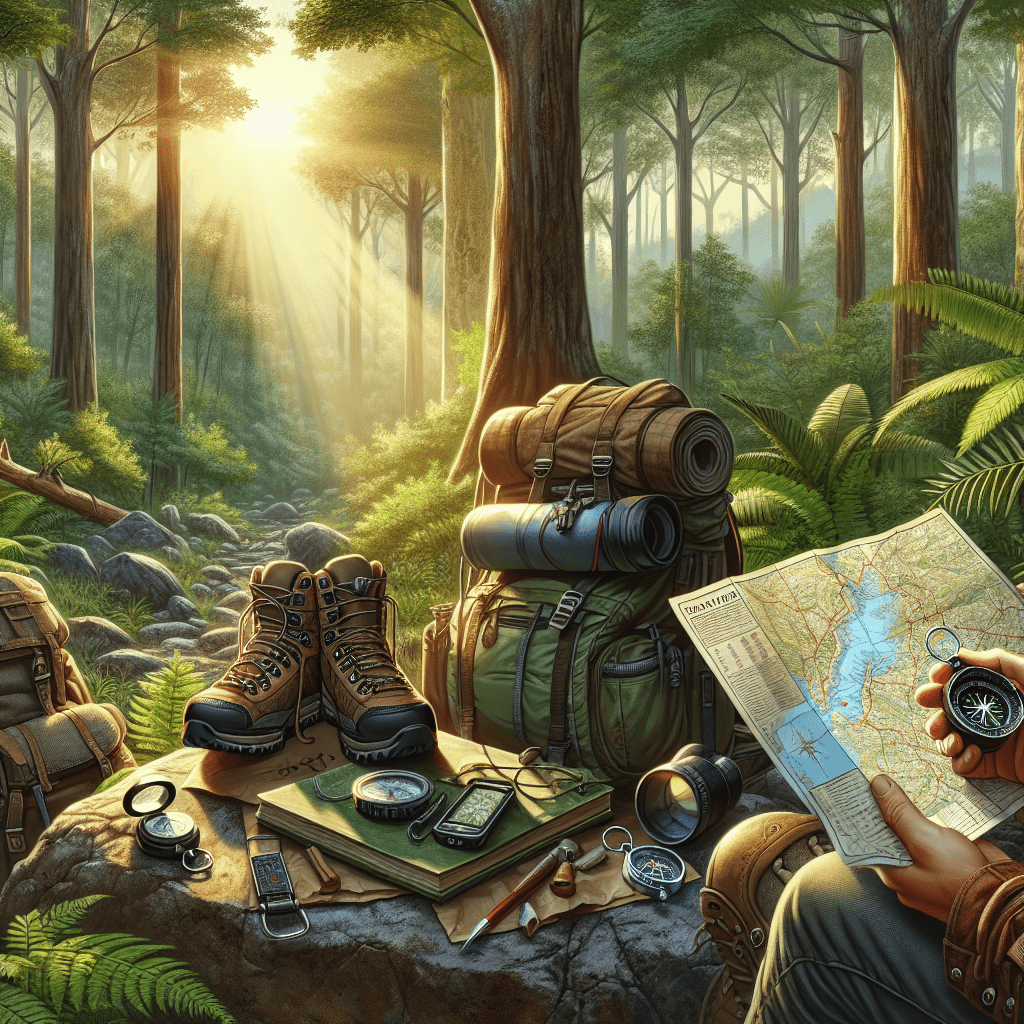

In the great expanse of the outdoors, where the whispers of nature guide adventurers, knowing how to navigate your way through untamed landscapes isn’t just a skill—it’s a lifeline. Whether you’re gear up for a weekend camping trip or planning to tackle an ambitious thru-hike, mastering the art of outdoor orientation can mean the difference between a blissful journey and a harrowing experience. In this blog post, we will explore the essentials of outdoor navigation, weaving in personal anecdotes that underscore the importance of these skills, so you can fearlessly embark on your next adventure.
Understanding Outdoor Orientation
Outdoor orientation involves understanding your position relative to the environment around you and knowing how to get where you want to go. It encompasses a variety of skills, from reading maps and using a compass to understanding natural landmarks.
Why Outdoor Orientation Matters
Imagine standing at the edge of a stunning mountain range, the horizon stretching impossibly far. You check your map only to find that the landmarks you once recognized have faded into the unyielding wilderness. Your ability to navigate could dictate your safe return. During a solo trip to Glacier National Park, I once set off confident and prepared, only to realize that my bearings were all wrong after a misread map. Hours turned into a disorienting labyrinth of trees and terrain before I finally regained my path. It was a lesson learned the hard way, a reminder that no venture should begin without solid orientation skills.
Essential Tools for Outdoor Orientation
Having the right tools is vital for effective outdoor navigation. Here are some essentials every adventurer should carry:
Maps: The Traditional Guide
While smartphones and GPS devices are now commonplace, a traditional paper map remains indispensable. It offers a broader view of the terrain and won’t run out of battery when you need it most.
How to Read a Map
Understanding map symbols, contour lines, and scales is fundamental. Take the time to familiarize yourself with the area you’ll be traveling in. I vividly recall an unforgettable hike in the White Mountains where a detailed topographic map led me to a hidden waterfall, long before GPS technology was ubiquitous.
Compasses: Your Trusty Companion
A compass is another timeless tool that should be in every outdoor enthusiast’s arsenal. Knowing how to use a compass in conjunction with your map can enhance your navigation skills exponentially.
Mastering Compass Skills
To effectively use a compass, always start by orienting it with the map—align the north on the compass with the north on the map. This is a skill I refined during a kayaking trip in the Florida Keys; navigating through mangroves taught me that even the most serene settings can become disorienting without the right tools.
GPS Devices: Modern Technology
While less reliable than a map and compass when batteries die or signals fade, a GPS device can certainly help confirm your path and track your progress.
Best Practices for Using GPS
Familiarize yourself with how your device works before heading out, and always have a backup plan in case it fails. I once found myself in an impressive canyon, reliant on my GPS, which suddenly lost its signal. It was a wake-up call; I had to rely on my map and compass to find my way to safety.
Relying on Natural Landmarks
Nature offers an array of navigational aids if you know how to read them.
Using the Sun and Stars
By understanding where the sun rises and sets, you can orient yourself throughout the day. At dusk on a trip in the Oregon wilderness, I once stargazed for navigation—a memory that solidified my appreciation for celestial bodies as navigational aids.
Major Natural Features
Identifying mountains, rivers, and valleys can provide orientation points. On a hike through the Appalachian Trail, I learned to recognize the distinctive shape of a mountain peak, marking it as my return point.
Common Mistakes in Outdoor Orientation
Even seasoned adventurers can slip. Here are some common errors to avoid:
Overconfidence
It’s easy to underestimate the complexities of navigation, especially in familiar terrain. On a weekend hike in my hometown, I brushed off a map and compass as unnecessary. The result? I ended up lost for hours in the same woods I thought I knew best.
Ignoring the Weather
Weather can drastically change visibility and affect navigation. Always check forecasts before heading out and be prepared to adapt. I once took a memorable trip to the Rockies right before a storm rolled in; we had to rely heavily on our orientation skills when visibility dropped dramatically.
Building Your Navigation Skills
Outdoor orientation is a skill that can be honed over time. Here’s how to build your navigation toolkit:
Practice, Practice, Practice
Embark on local hikes and challenge yourself to navigate without relying on technology. Keeping a journal of your experiences helps track your learning curve.
Take a Class
Consider enrolling in a navigation or wilderness safety course. Professional guidance can accelerate learning and enhance your confidence. I took a wilderness survival class that transformed my approach to navigation and the outdoors entirely.
Wrap-Up: Key Takeaways
Effective outdoor orientation is not merely a skill; it’s an adventure safeguard. Equip yourself with the proper tools, sharpen your skills through practice, and respect nature’s elements to navigate your way confidently. Each journey into the wild builds layers of experience that hone these essential skills.
Reader Questions Answered
-
What should I do if I get lost while hiking?
Stay calm, find a safe spot, and refer to your map and compass to reassess your position. If you’re unable to find your way, retrace your steps if it’s safe to do so. -
How can I improve my map-reading skills?
Practice navigating local trails using topographical maps. Start by identifying map symbols and contour lines, and slowly work your way to detailed route planning. -
Is it necessary to carry both a map and a GPS?
Yes! While GPS devices are incredibly useful, they can fail. Having a paper map as a backup ensures you have a reliable navigation method.
FAQs
Q: Do I need a compass if I have GPS?
A: Yes, a compass is a crucial backup. GPS devices can fail in remote areas.
Q: What should I pack for a navigation-oriented trip?
A: Essential items include a detailed map, a compass, durable hiking boots, plenty of water, and a first aid kit.
Q: How can I learn to use a compass?
A: Join local hiking groups or take a navigation course to get hands-on experience with compass use.
With this guide to effective outdoor orientation, you’re fully equipped to take on any adventure confidently. Whether you’re trekking familiar paths or exploring uncharted territories, the skills you develop will empower you to navigate the wild with grace and safety. Happy trailblazing!