

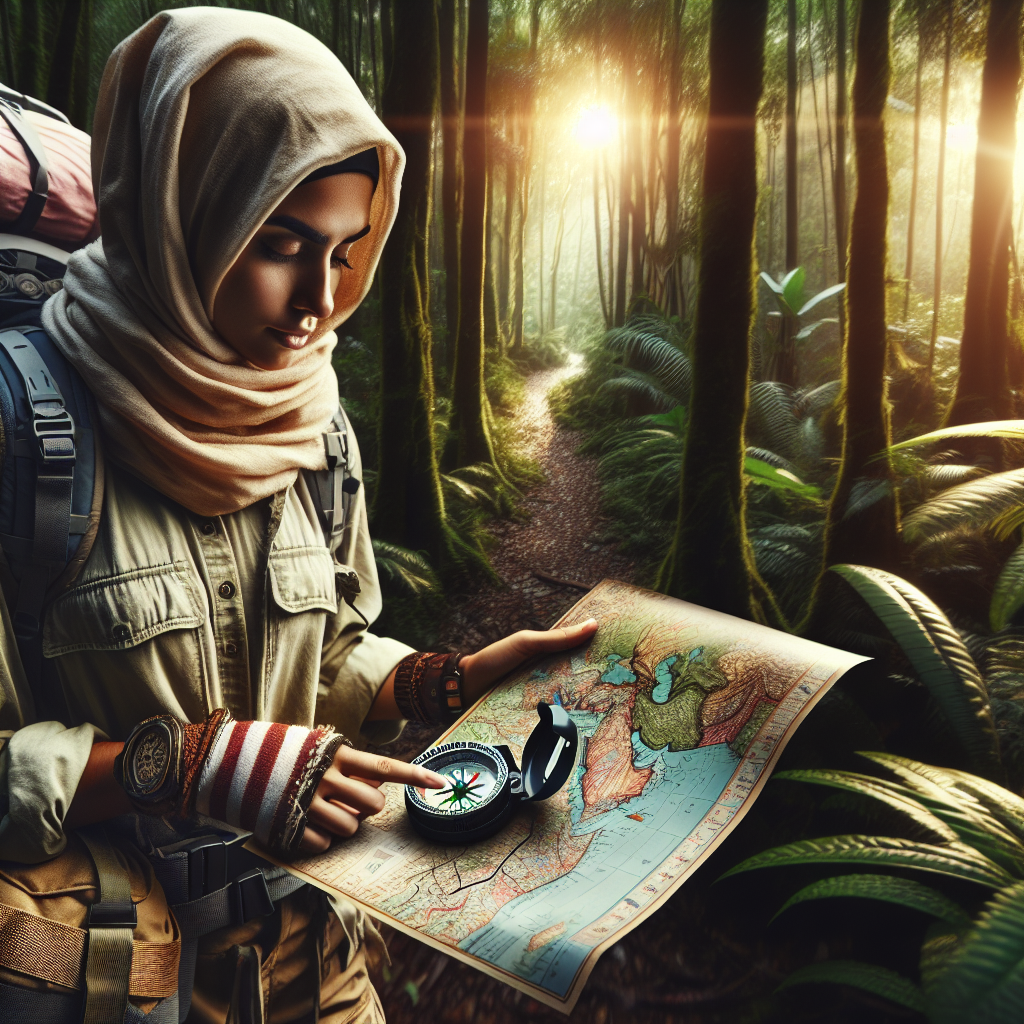

Navigating the vast expanses of the outdoors is not just an adventure; it’s a vital skill that can be the difference between a routine day hike and a life-altering experience. As seasoned outdoor enthusiasts, knowing how to navigate effectively ensures safety, enhances your outdoor experience, and brings a sense of accomplishment when you explore uncharted paths. In this guide, Trailblazing Truths: Mastering Outdoor Navigation Techniques, we will delve into actionable steps, insightful anecdotes, and lessons learned on the trail that emphasize the importance of mastering outdoor navigation.
The Importance of Navigation in the Outdoors
When I first embarked on my hiking journey, I was armed with nothing but a pair of sturdy boots, a backpack, and a sense of adventure. One fateful afternoon, my friend and I decided to hike in a region unknown to us. Relying solely on a vague trail marker and our excitement, we ventured deep into the forest. Two hours in, the sun began to dip, and the once-friendly trail transformed into an endless maze of trees. Panic set in, and so did the realization: without knowledge of navigation, our adventure could turn into a desperate fight for safety.
This experience highlighted the critical importance of reliable navigation techniques. Whether you’re trekking through forests, scaling mountains, or navigating waterways, mastering outdoor navigation can save lives.
Understanding Navigation Fundamentals
Essential Navigation Tools
To become proficient in outdoor navigation, you’ll need some essential tools at your disposal. Here’s a breakdown of the must-have equipment:
-
Map: Knowing how to read topographic maps and understand contour lines will aid in recognizing elevation changes, water bodies, and trails. Consider studying maps before setting out on your adventure.
-
Compass: A high-quality compass is indispensable. Familiarize yourself with how to use it in conjunction with your map to determine your direction of travel.
-
GPS: While electronic devices can be excellent supplementary tools, they should not replace traditional navigation skills. Cell service can be spotty, so ensure you know how to navigate without relying solely on technology.
How to Read a Map
Understanding how to read a map is a foundational skill that every outdoor enthusiast should master. Here’s a simple step-by-step approach:
-
Identify Key Features: Begin by locating north and understanding the map’s orientation. Familiarize yourself with the symbols and legends that denote trails, boundaries, and elevation lines.
-
Relate the Map to the Terrain: Always keep in mind the terrain around you. It’s essential to distinguish between physical landmarks and what’s represented on your map.
-
Plan Your Route: Sketch out a route on your map before you set off. Identify waypoints and note potential hazards, such as steep drops or difficult terrain.
I recall a hiking trip in the Rocky Mountains. Equipped with my map and compass, I was able to confidently choose a route that avoided dangerous cliffs and led to breathtaking viewpoints. Learning how to read a map turned what could have been a difficult experience into one of the most rewarding days outdoors.
Mastering Compass Skills
Using a compass effectively can enhance your navigation prowess significantly. Here’s a straightforward method for compass navigation:
-
Declination Adjustment: First, ensure you adjust your compass for magnetic declination (the angle between magnetic north and true north). This can vary based on your location and is crucial for accurate readings.
-
Taking a Bearing: To take a bearing on your destination, point the direction of travel arrow towards your target, rotate the bezel until the north on the compass aligns with the magnetic needle, and then read off your bearing.
-
Following a Bearing: When following your bearing, make sure to frequently check the compass to stay on track. Landmarks can help, but don’t forget to keep your map handy for situational awareness.
During a challenging winter hike, my compass guided me through a snowstorm when visibility dropped to a few feet. By sticking to my bearing and rechecking my position often, I traversed a labyrinth of trees and snow without losing my way.
Navigational Techniques
Basic Orienteering Skills
Orienteering combines map and compass skills to determine your precise location and navigate effectively. This skill is often tested in adventurous competitions but can be invaluable in real-world scenarios:
-
Triangulation: Identify three landmarks near your position, measure their bearing using your compass, and locate them on your map. This will help pinpoint your exact location.
-
Dead Reckoning: This technique involves calculating your current position from a previously known location using speed and direction. It’s useful when the landscape lacks distinct features.
My first orienteering experience was both exhilarating and educational. I found myself racing against the clock while developing an appreciation for the nuances of navigation. This blend of mental and physical challenge cemented my understanding of using navigational tools effectively.
GPS Navigation
While traditional navigation methods are essential, GPS technology has become indispensable for both novice and seasoned adventurers. However, it’s important to complement digital navigation with fundamental skills:
-
Familiarize Yourself: Spend time understanding how your GPS device works. Know how to set waypoints, mark routes, and identify your current coordinates.
-
Battery Management: Always carry spare batteries or a backup power source. Technology can fail, and having an extra set of batteries or a solar charger can be a game-changer.
-
Offline Maps: Download maps before your trip—cell service can be unreliable in remote locations. High-quality offline maps can guide you even when your GPS system isn’t available.
During a backpacking trip in the Cascade Range, my GPS unit failed due to cold weather. Because I had prepared in advance by studying the area’s topography, I relied on my map and compass to navigate home safely.
Common Navigation Mistakes to Avoid
-
Ignoring Weather Conditions: Changes in weather can greatly affect visibility and terrain. Always check the forecast and plan your navigation accordingly.
-
Overconfidence in Technology: Relying too heavily on GPS can lead to complacency. Always have backup navigation methods in place.
-
Neglecting to Update Maps: Ensure your maps are up-to-date to minimize the risk of errors during navigation.
Reflecting on a memorable hike, I once relied too heavily on my GPS while traversing a dense fog. The device led me astray, but by quickly recalibrating with my compass, I was able to find my way back, underscoring the importance of remaining adaptable.
Wrap-Up: Key Takeaways for Navigation
Mastering outdoor navigation techniques not only enhances your adventure but also elevates your safety. By understanding and practicing skills such as reading a map, using a compass, and navigating with GPS, you can tackle any trail with confidence.
As you venture into the wild, remember the importance of preparation, knowledge, and maintaining a spirit of adventure. It’s not just about reaching your destination; it’s about experiencing the journey.
Reader Questions Answered
What should I carry for navigation during hikes?
For navigating effectively, pack a map, compass, GPS device, and a notebook to jot down trail notes or observations.
Can I learn navigation skills online?
Absolutely! There are numerous online courses and videos that can teach you the basics of navigation. However, hands-on practice is essential for mastery.
Is it possible to navigate without a GPS?
Yes! Traditional navigation methods such as using a map and compass are very effective and essential skills to practice, especially in emergencies.
FAQs
How do I choose the right map?
Look for detailed topographic maps that cover the area you’ll be exploring. Make sure they’re updated and include necessary features like trails and landmarks.
What happens if I get lost?
Remain calm and assess your situation. Use your map and compass to retrace your steps or establish a new bearing to safety.
Are there recommended online resources for navigation?
Yes! Websites like American Hiking Society offer great resources, courses, and guides on outdoor navigation.
In conclusion, the expertise in outdoor navigation goes beyond simply finding your way—it cultivates confidence, expands your adventure horizons, and ultimately enriches your experience in nature. So grab your gear and prepare to embrace every twist and turn the wilderness may offer!