

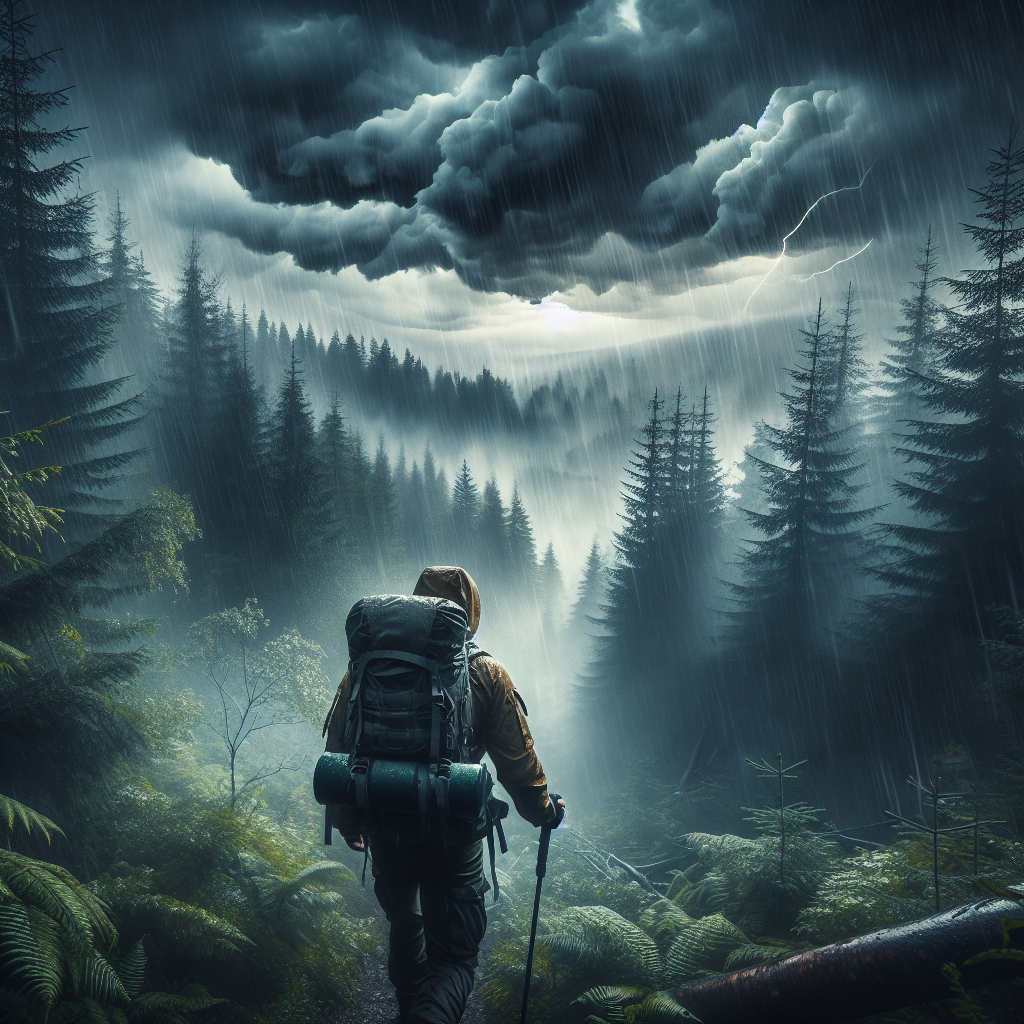

Have you ever found yourself engulfed by a sudden downpour or caught in an unexpected gust of wind while camping in the great outdoors? The wilderness, with its beauty and allure, is often an unpredictable companion, teaching us lessons that can only be learned the hard way. Preparing for unexpected conditions is not just a precaution but a necessity for any outdoor enthusiast, particularly for those of us who revel in the thrill of wilderness camping.
As an adventurous spirit, the call of the wild beckons, but so does the possibility of facing elements that can flip a delightful camping trip into a daunting survival scenario. Understanding how to navigate these challenges can mean the difference between a memorable adventure and a hazardous misadventure. So, how can we most effectively weather the storm when circumstances pivot unexpectedly in the wilderness?
In this comprehensive guide, we’re diving deep into actionable steps for preparedness, high-stakes strategies I’ve learned from experience, and the gear that can keep you safe and comfortable. By the end, you’ll feel confident and ready for anything Mother Nature throws your way.
Understanding the Unpredictability of Wilderness Conditions
The first step in preparing for the unpredictable weather is understanding its diverse manifestations, from sudden rain showers to unexpected temperature drops. Nature is beautiful yet wild, and acknowledging its temperament is key to your adventure’s success.
One summer evening in the Catskills, I was invited on a wilderness camping trip with friends. The forecast promised clear skies and a gentle breeze. Imagine our surprise when, after settling in and roasting marshmallows, the sky darkened ominously, and sheets of rain began to pour! It was a powerful reminder of nature’s unpredictability. We had let our guard down, relying solely on the forecast.
The Importance of Researching Weather Patterns
Research is your best friend when planning a wilderness camping trip. Take time to investigate seasonal weather patterns for the region you’re visiting. Notably, mountainous areas can experience rapid weather changes due to elevation shifts. Always check weather apps for hourly updates, and don’t underestimate the value of local forecasts—talk to rangers or locals to gather insights.
Gear Essentials for Extreme Conditions
Equipping yourself with the right gear is crucial for any wilderness outing. Proper planning can turn a potentially dangerous scenario into a manageable adventure. This section will outline key items to consider for weathering the storm.
Choosing the Right Tent
First and foremost, your tent. Make sure it’s weather-resistant and well-ventilated. My personal favorite is a four-season tent that’s durable against wind and rain. During that Catskills trip, my friends and I huddled together in a lightweight summer tent while rain poured outside. The experience was a crash course in what constitutes a reliable camping shelter. Since then, I’ve never skimped on securing a robust tent.
Essential Clothing Layers
Dress in layers, using moisture-wicking fabrics and materials that provide warmth without bulk. My first need-to-know revelation came when a chilly evening in my early camping days surprised me. Despite wearing a t-shirt and shorts during the day, I became dangerously cold at night when temperatures plummeted. Since then, I always pack thermal layers, a waterproof jacket, and sturdy hiking boots.
Portable Solar Chargers
A portable solar charger is a miraculous piece of equipment that keeps essential devices charged, especially in longer trips. When I found myself lost during a hike in Wyoming, my phone’s GPS, powered by a solar charger, helped me find my way back. You may not always have access to power sources in remote locations, so it’s critical to keep your devices functional.
Planning Your Trip: A Crucial Step
Proper planning means developing a flexible itinerary that accommodates for changes in weather conditions. Here’s why:
An Informative Checklist
Prepare a checklist of all the gear, food, and essential supplies you plan to bring. Consider the realm of wild camping, where available resources are limited. Following my first wild camping experience in Colorado, where I forgot to pack essential cooking equipment, I learned just how painstakingly prepared I needed to be for every contingency.
Understand Your Surroundings
Familiarize yourself with the terrain and any potential hazards. Always scout a secondary escape route when trekking in remote areas. Drawing from another memory, I once lost track of time while capturing the sunset on camera. The dark crept in quickly, and I was left navigating on impulse. Having a solid plan and understanding surrounding paths is vital for safety.
When the Storm Hits: Actionable Strategies
Nature can be harsh, and even the most careful planner can face an unexpected storm. Here’s how to respond effectively.
Seek Shelter Immediately
If you’re caught in an unanticipated downpour or storm, the first thing to do is find shelter. Open areas are dangerous during lightning storms, so head for lower ground and dense forest coverage if it’s safe.
Prioritize Hydration and Food
In a survival situation, use your resources wisely. Dehydration can sneak up on you, and it’s accompanied by a tolling fatigue that makes rational decision-making difficult. When battling a blustery storm, ration your water supplies and remember that consuming food can aid hydration.
Utilize Your Emergency Kits
Always have an emergency kit easily accessible. Items like a whistle, flashlight, and first-aid supplies can be lifesavers. I’ve witnessed firsthand how reliable a good emergency kit can be; during a windstorm on a camping trip, my flashlight helped guide my friends and me back to safety after a chaos-inducing accident.
Communicating with Your Group: Safety in Numbers
When weather conditions turn intense, maintaining clear communication with your camping group is crucial. Keep each other informed of any changes or dangers you notice.
Set Up a Signal System
Develop a simple signal or code to utilize during distress scenarios. For example, three loud whistles could indicate immediate alertness. The clarity this communication brings can be an anchor when the winds howl and the rain pours.
Key Takeaways: Preparing for Your Next Wilderness Adventure
In conclusion, the unpredictability of wilderness camping teaches us the importance of preparation. From learning to anticipate changing weather patterns to mastering the art of layering clothing and utilizing trusted gear, each piece of knowledge contributes to your readiness.
Reflecting on my many adventures in the wild, I’ve learned invaluable lessons about preparedness that have shaped me as an outdoor enthusiast. Embrace these strategies, equip yourself wisely, and remember to respect the wilderness—you’ll emerge on the other side, weathered but ever more invigorated and inspired.
Reader Questions Answered
Q1: What’s the best way to check the weather before a camping trip?
Always consult multiple trusted weather sources—apps, local forecasts, and, if accessible, rangers. This combination gives the broadest understanding of what to expect.
Q2: How should I pack my food for a long camping trip?
Use breathable bags to store food, unevenly distributing weight throughout your pack. Consider dehydrated meals for easy storage and preparation.
Q3: What should I do if I get lost during a hike?
Stay calm, retrace your steps if safe, and use your compass or phone GPS if available. Mark your position with landmarks if possible and wait for help if necessary.
FAQs
Q: How can I prepare for sudden temperature drops while camping?
Layer your clothing effectively and pack thermal gear. Always bring extra blankets and sleeping bags.
Q: What is a portable solar charger, and why do I need one?
A portable solar charger allows you to charge devices without access to electrical outlets, making it excellent for outdoor excursions.
Q: What’s an essential item everyone should have in their camping emergency kit?
A first-aid kit is crucial, containing supplies for treating common injuries and ailments.
Your wilderness camping adventures await—embrace the thrill, prepare for the unexpected, and most importantly, enjoy every moment spent in nature!